
Social Well-being, Empathy, and Emerging Technologies Lab

Lab Mission
Our lab is dedicated to advancing human well-being and flourishing in the digital age. We investigate how digital technologies mediate and affect social relationships and well-being, and design technologies to promote social connection, empathy, and mental health. Our team is dedicated to understanding the socio-emotional impact of emerging technologies and developing responsible, human-centered AI systems that prioritize user safety and well-being.
[We’re hiring!] Our lab is recruiting PhD students. Please email renwen.zhang@ntu.edu.sg if you are interested.
Lab Projects (Selected)
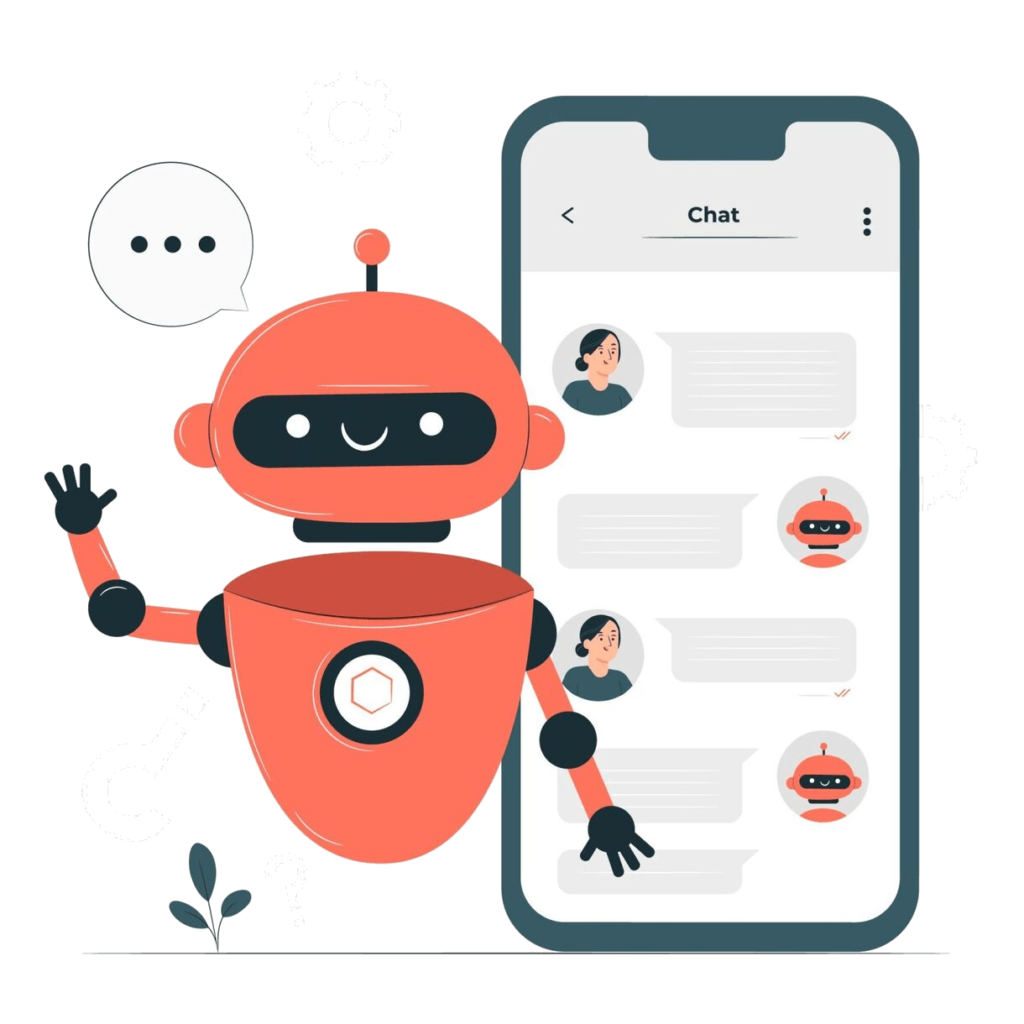
Human-AI Relationships and Communication
This project explores the motivations, processes, and outcomes of engagement with AI chatbots, with a particular focus on self-disclosure, trust, and relationship development. Our studies will contribute to the theory-building of human-machine communication and inform the design of social chatbots that are empowering and beneficial to users. Through this exploration, we seek to establish guidelines and best practices to foster meaningful, beneficial, and harmonious relationships between humans and machines, shaping a future where technology truly complements the human experience.
Selected publications: (Lab members are bolded)
– Gan, H., Li, H., Zhan, J., & Zhang, R. (2026). Navigating Uncertainty in Human-AI Relationships: An Investigation of Communal Uncertainty Reduction Strategies. New Media and Society
– Ng, S.W.T., & Zhang, R. (2025). Trust in AI-driven chatbots: A systematic review. Telematics and Informatics, 102240. [link]
– Zhu, Z., Tan, Y., Yamashita, H., Lee, Y.C., & Zhang, R. (2025). The Benefits of Prosociality towards AI Agents: Examining the Effects of Helping AI Agents on Human Well-Being. Proceedings of the 2025 ACM CHI Conference on Human Factors in Computing Systems. [link]
– Li, H., & Zhang, R. (2024). Finding Love in Algorithms: Deciphering the Emotional Contexts of Close Encounters with AI Chatbots. Journal of Computer-Mediated Communication, 29(5), zmae015. [link]
AI-Mediated Empathetic Communication
This project dives deep into the realm of AI-mediated supportive communication, exploring how AI can be harnessed to enhance and facilitate empathetic exchanges. We investigate the ways in which AI tools can craft messages that resonate with human emotions, while also assessing the effectiveness and authenticity of such interactions. By analyzing the nuances of AI-generated content, our goal is to refine and optimize the blend of technology and human touch. This research strives to pave the way for a future where AI not only communicates but genuinely supports, enriching human connections in an increasingly digital age.
Selected publications:
– Meng, J.,Zhang, R., Qin, J., Lee, Y. J., & Lee, Y. C. (2025). AI-mediated social support: the prospect of human–AI collaboration. Journal of Computer-Mediated Communication, 30(4), zmaf013. [link]


Responsible AI and AI Ethics
This line of work examines the socio-emotional harms of AI systems—harms that are often implicit, context-dependent, and gradual. We study how these harms emerge, evolve, and shape people’s emotions, relationships, and well-being over time. By developing deeper theoretical and empirical insights into how AI influences users on a relational and emotional level, our goal is to inform the responsible and human-centered design, evaluation, and governance of AI systems, especially those that interact with people in intimate or emotional contexts.
Selected publications:
– Zhang, R., Meng, H., Neubronner, M., & Lee, Y. C. (2025). Computational and ethical considerations for using large language models in psychotherapy. Nature Computational Science, 5(10), 854-862. [link]
– Zhang, R., Li, H., Meng, H., Zhan, J., Gan, H., & Lee, Y.C. (2025). The Dark Side of AI Companionship: A Taxonomy of Harmful Algorithmic Behaviors in Human-AI Relationships. Proceedings of the 2025 ACM CHI Conference on Human Factors in Computing Systems. [link]
– Zhang, R., Li, H., Chen, A., Liu, Z., & Lee, Y.C. (2024). AI Privacy in Context: A Comparative Study of Public and Institutional Discourse on Conversational AI Privacy in the US and China. Social Media + Society. [link]
– Luo, X., & Zhang, R. (2024). Decoding the gendered design and (dis) affordances of face-editing technologies in China. International Journal of Human-Computer Studies, 181, 103149. [link]
Digital Well-Being
This project delves into the intersection of technology and personal well-being, exploring how digital platforms and tools influence our mental, emotional, and physical wellness. We aim to understand the positive and negative implications of increasing digital interactions. Our findings will guide the development of recommendations and strategies to promote healthier digital habits, fostering a more balanced and mindful tech-integrated lifestyle. Embracing the future of digital wellness, our research will empower individuals to harness technology for holistic well-being.
Selected publications:
– Zhu, Z., Zhang, R., & Qin, Y. (2022). Toxicity and prosocial behaviors in massively multiplayer online games: The role of mutual dependence, power, and passion. Journal of Computer-Mediated Communication, 27(6), zmac017. [pdf]
– Zhu, Z., Mitchell, A., & Zhang, R. (2022). Developing Intentional Relationships with Technologies: An Exploratory Study of Players’ Experiences with Built-in Interventions in Games. In Designing Interactive Systems Conference (pp. 745-758). [pdf]

Lab Members


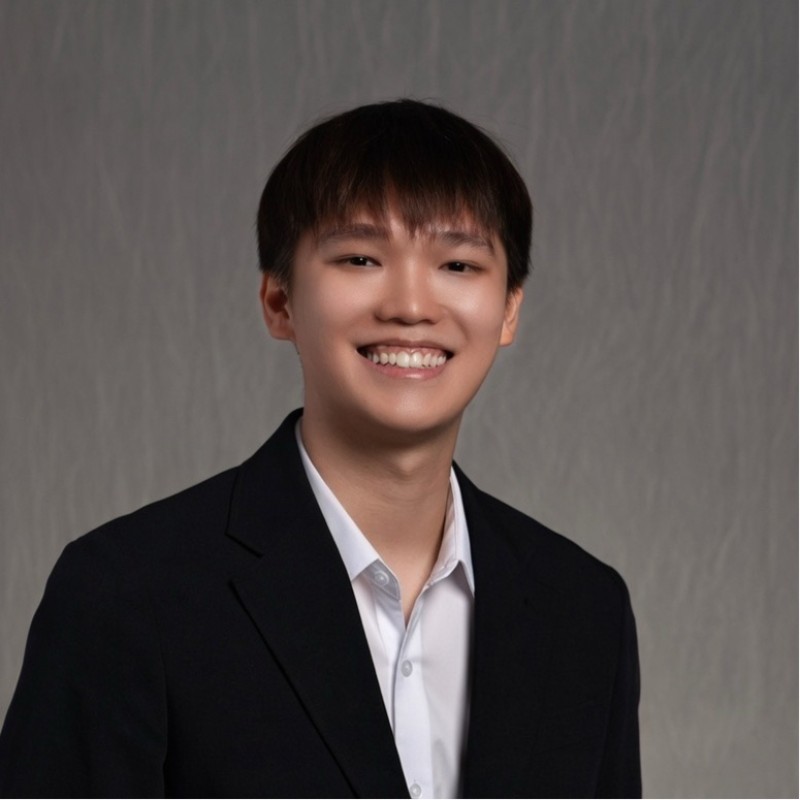
Qian Wan
Postdoctoral Research Fellow
PhD in Computer Science,
City U of Hong Kong
Sang-Wha Sien
Postdoctoral Research Fellow
PhD in Computer Science,
University of British Columbia
Wayne Sing Wei En
Master’s by Research student
BA in Comm & New Media,
National University of Singapore
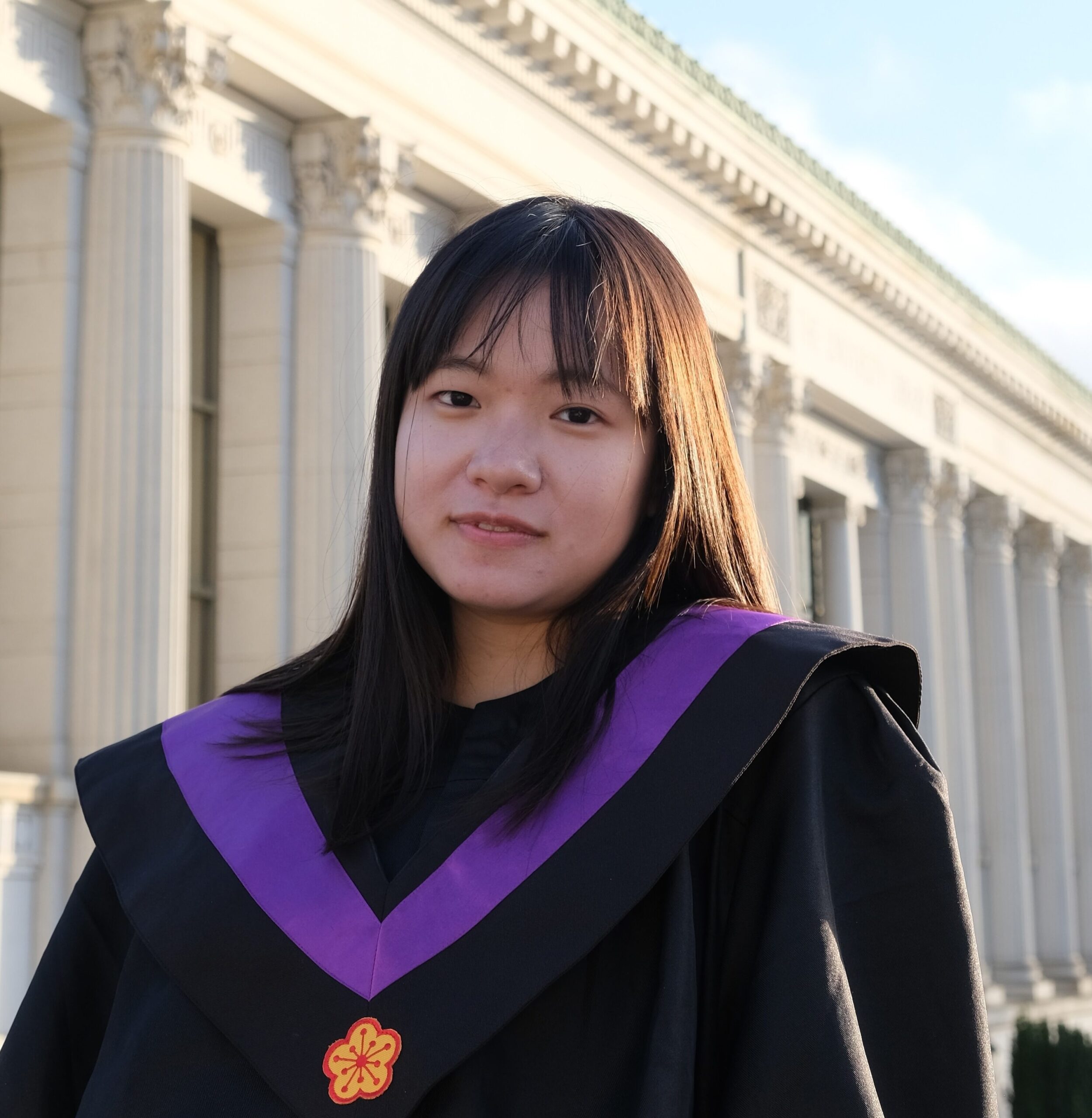

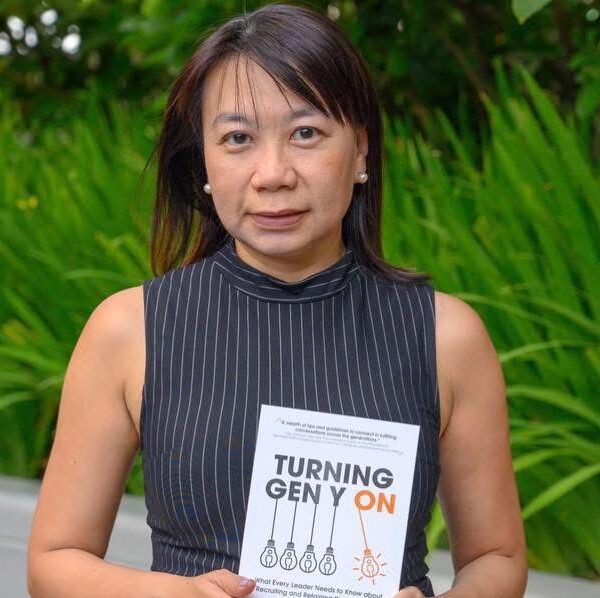
Lexi Yu-Shin Liou
Research Intern
KTH Royal Institute of Technology
Rose Liu
Research Intern
University of Chicago
Marion Neubronner
Collaborator and consultant
Master’s in Education, Harvard
Lab Alumni
Postdocs
Han Li, Postdoctoral Fellow 2022-2025 (now a Postdoctoral Associate @Cornell)
PhD Students
Jinyuan Zhan, PhD student, 2023-2025 (now a PhD student @ NUS Communication)
Kaiyao Zhuang, PhD student 2024-2025 (now a PhD student @ NUS Communication)
Zicheng Zhu, PhD student 2021-2024 (now a Postdoctoral Fellow @ NUS School of Computing)
Master’s Students
Sheryl Ng, Research Master’s student 2022-2024 (now a PhD student @ NTU WKWSCI)
Hongyuan Gan, Master’s student 2023-2024 (now a PhD student @ Hong Kong Baptist University)
Xinyuan Luo, Research Master’s 2021-2023 (now working @ Sinopec)
Undergraduate Students
Malorie Yoong Rui Yi, Undergraduate researcher, 2023-2024 (now a PhD student @ Duke-NUS)
Wayne Sing Wei En, Undergraduate researcher, 2023-2024 (now a Research Master’s student @ NTU WKWSCI)
Research Assistants
Lezi Xie, Part-time research assistant, 2024-2025 (now a PhD student @ UC Davis)
Yu-An Chen, Full-time research assistant, 2024-2025 (now a Master’s student @ Harvard)
Kai Xin Soh, Full-time research assistant, 2023-2024 (now a PhD student @ Northwestern)
Exchange Students
Feila Pu, Visiting PhD student from Renmin University of China, 2023-2024
Diyi Liu, Visiting PhD student from Oxford Internet Institute (now a postdoc @ University of Copenhagen)